six months later
Alastair Humphreys
I slung my hammock beneath a three-quarter moon in a wood I’d visited earlier in the year. The night was bitterly cold, and by dawn my water bottles had frozen solid. I cursed at the stupidity of shivering through a long night just a few miles from my cosy bed. At first light I pedalled quickly to the nearest petrol station to recover with hot bad coffee. I resolved to detour home later for a warmer sleeping bag and a tent.
I was weary on day two, slogging up muddy trails through woods and down slippery footpaths across fields. Heading through every grid square like this was making my map feel huge. Although I’d often felt concerned this year about the scale of new housing developments, this microadventure showed me there was enough space for everyone here, as well as for wildlife and farming.
We can certainly rewild some land for nature once people are enthused to think it’s a valuable idea. Soil can heal and hedgerows and ponds can recover once there is a demand to support sustainable, regenerative farming. The river filled with slimy lager cans is a clear chalk stream at heart, home to water crowfoot flowers and otters, and just waiting to revitalise as soon as the political will is there to get it cleaned up. This is all so achievable, making it an exciting time to be an engaged adult concerned with leaving the world in a better state for our children.
Each day of my ride, the trees seemed to turn a little greener. The dawn chorus woke me earlier each morning. Winter was on its way out. Brighter days lay ahead.
‘Here we go again,’ my map said to me. ‘Another season, another lap of the sun, another lap of the map. Another chance to make the best of things and choose to bloom as brightly as you dare.’
My sinuous route wound round and round, nonsensically but pleasingly. It was astonishing how many new back roads and bridleways I found, even from just whizzing straight through grid squares. Before this year, I had focused too much on the oceans and mountains I did not have where I lived. But that had been replaced by a strong sense of how much this map did have to offer. I was proud of how much I now knew about this area. If you joined me for a ride, I could show you around well.
I passed rambling old houses with tennis courts and trampolines,* decaying tower blocks with washing lines and barbed wire on the roofs, and repeating suburban streets with everything in between. As I rode randomly through so many diverse lives, I hoped that contentment was spread more evenly across my map than wealth or opportunity seemed to be.
I slept well in my warm tent that night, back into the groove of the cycle touring life I knew so well. This trip was no different from all the times I’d ridden hundreds of miles in other countries, apart from the need to accept that I wasn’t moving very far, and to be OK with that.
There was a lot to love about riding a long way yet never being more than ten miles from my fridge. I loved the detours down hidden-away footpaths hemmed in with chain-link fencing around railways shunting freight goods, faceless facilities management warehouses, sewage works, and hedgerows scattered with nitrous oxide canisters.
I loved the estuary with its derelict broken windows and its bird-song and dramatic skies scudding with storm clouds, bursts of rain, and rainbows. I loved the marshes, pylons and dilapidated wrecks of boats hauled up on muddy creeks, paint fading, wood peeling, full of intrigue and character.
I loved the peaceful hideaways that few people knew about, the silent valleys and my first bluebells of the year. I loved the wild predators who made this tame landscape their home: the foxes, the marsh harriers, the dragonflies and brown trout.
I loved the ancient churches and gigantic trees standing proud from long before the industrial and agricultural revolutions, and I loved knowing that they will still be here once we get back to living in harmony with nature and our communities again.
And I loved that I was free to enjoy all these places on miles of public footpaths.
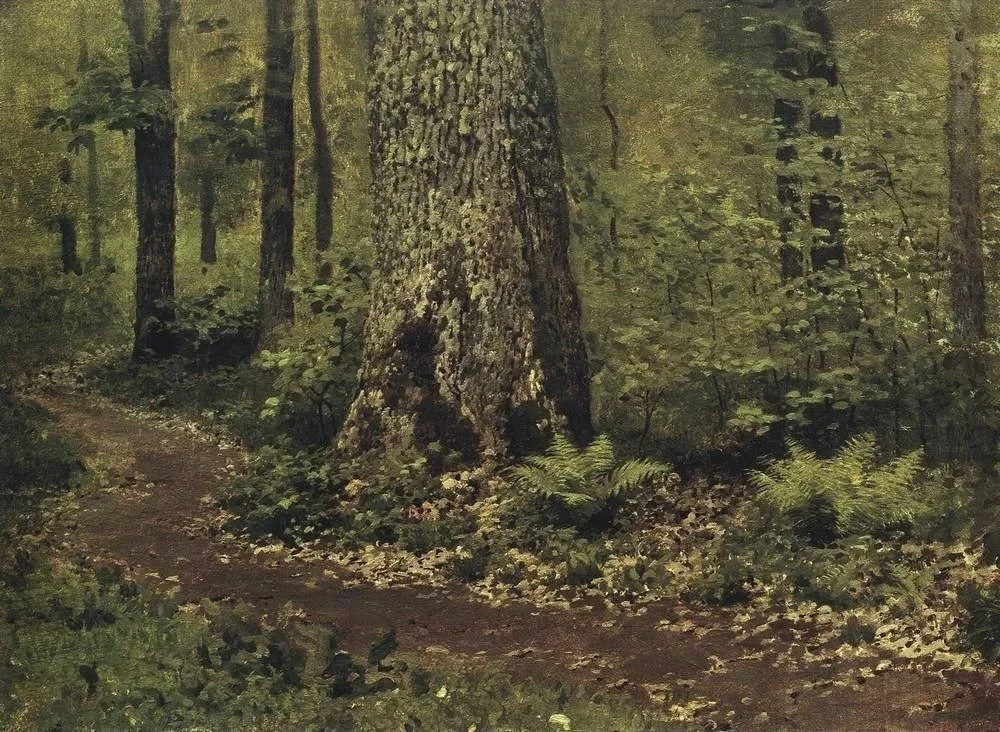
I didn’t much like all the ‘Keep Out’ signs, the locked-away lakes, the litter, the dog poo bags, and the miles of new streets named after the meadows, birds and trees they had replaced. But even so, there was still plenty of space for me to watch the sun set behind a titanic oak, the golden sky splintered like a shattered windscreen by the tree’s thousands of crooked twigs and branches. As the first stars appeared, I pitched my tent in an empty wood that I shared only with a duetting pair of tawny owls.
“Six Months Later” is an extract from Local: A Search for Nearby Nature and Wildness by Alastair Humphreys. Reproduced by permission of the author/publisher. All rights reserved.
A Note on the Author:
Alastair Humphreys has been on expeditions all around the world, travelling through more than eighty countries by bicycle, boat and on foot.
Alastair was named as a National Geographic Adventurer of the Year in 2012 for his concept of microadventures – ‘local adventures for everyone’. The Royal Geographical Society presented him with the Ness Award in 2023 for ‘his long-standing contributions to promoting a greater understanding of our world and wider public engagement with the outdoors’.
He creates videos, podcasts, newsletters, and has written sixteen books for adults and children.