
from the pantanal to the amazon
Kate Eshelby
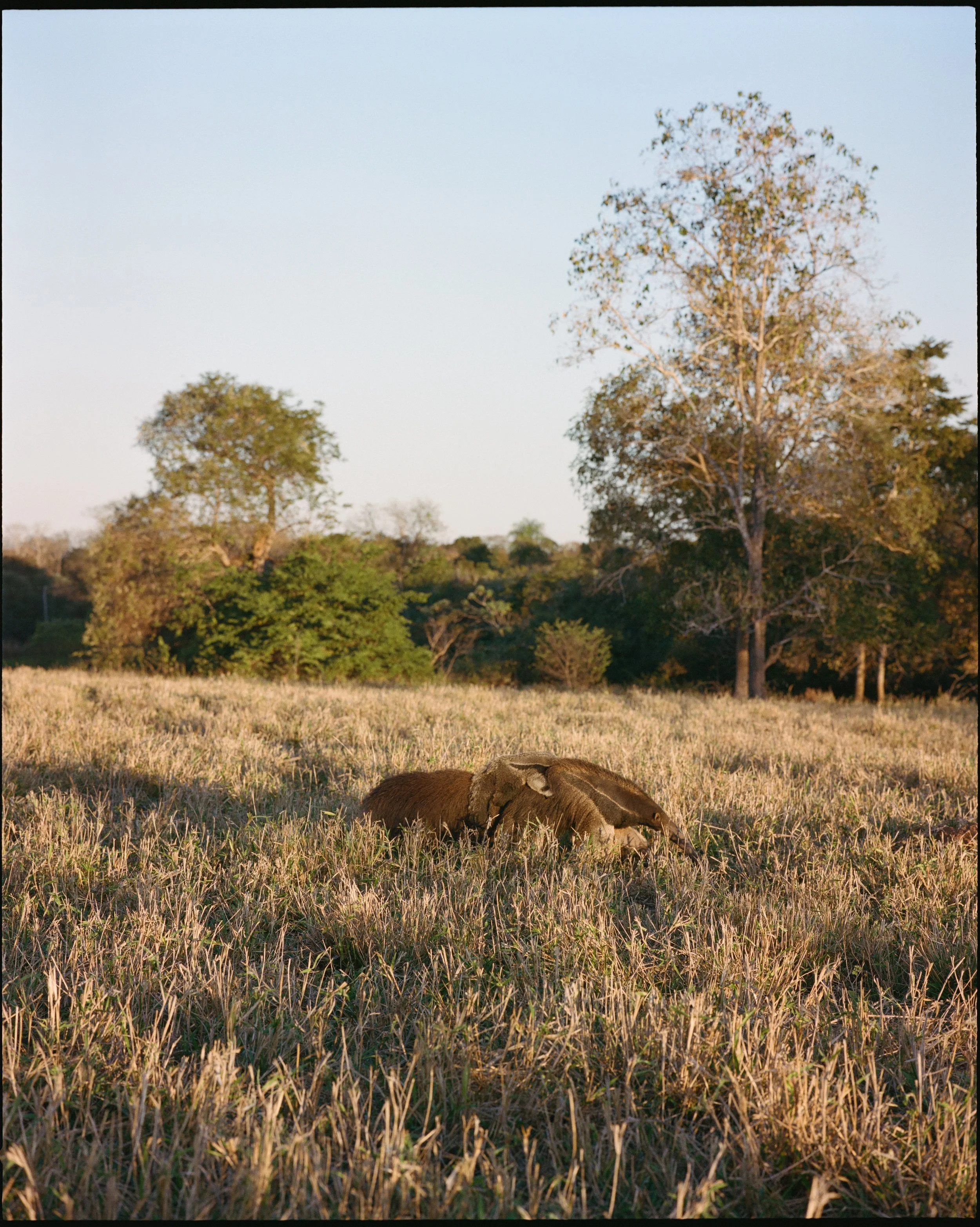
Dusk is rushing in, when we stop in our tracks, to watch a creature so fantastical that it seems to teeter between reality and imagination. A giant anteater – with its elongated nose and sweeping tail – lumbers towards us across the golden grasslands of Brazil’s Pantanal, the world’s largest tropical wetland. The mother approaches, her baby draped over her back like a fluffy saddlebag.
I’m visiting, with my husband and two children, three of the country’s most wildlife-rich, yet threatened ecosystems, each home to a pioneering conservation project. We’re staying at Caiman Lodge within Caiman, a protected 530 km² reserve roughly the size of the New Forest. It remains, however, a working ranch, where ecotourism lives alongside conservation and low-impact cattle farming. The Pantanal’s identity is interwoven with the Pantaneiros, Brazil’s cowboys, who still ride out across the seasonally flooded plains – South America’s sibling to the Okavango Delta.
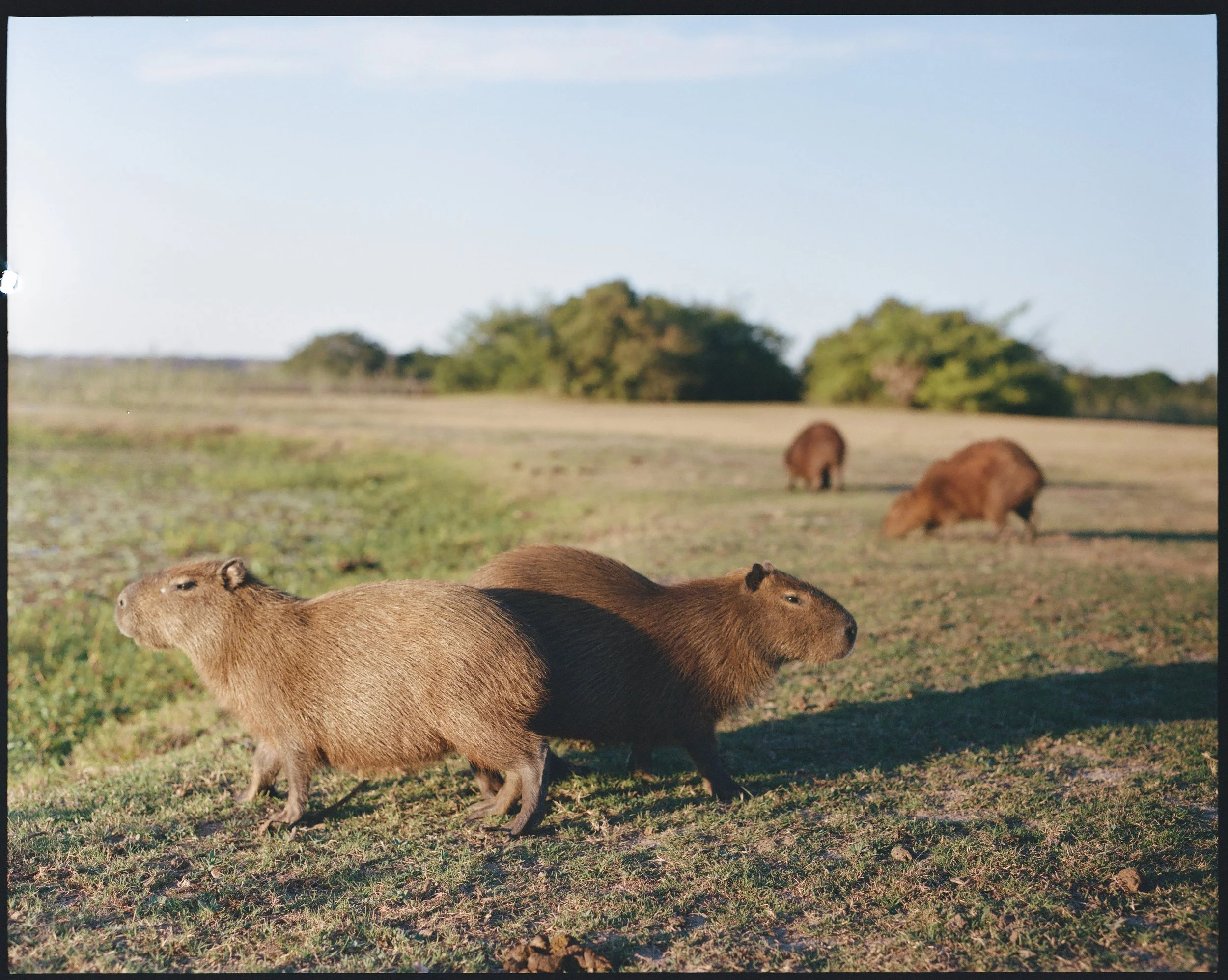
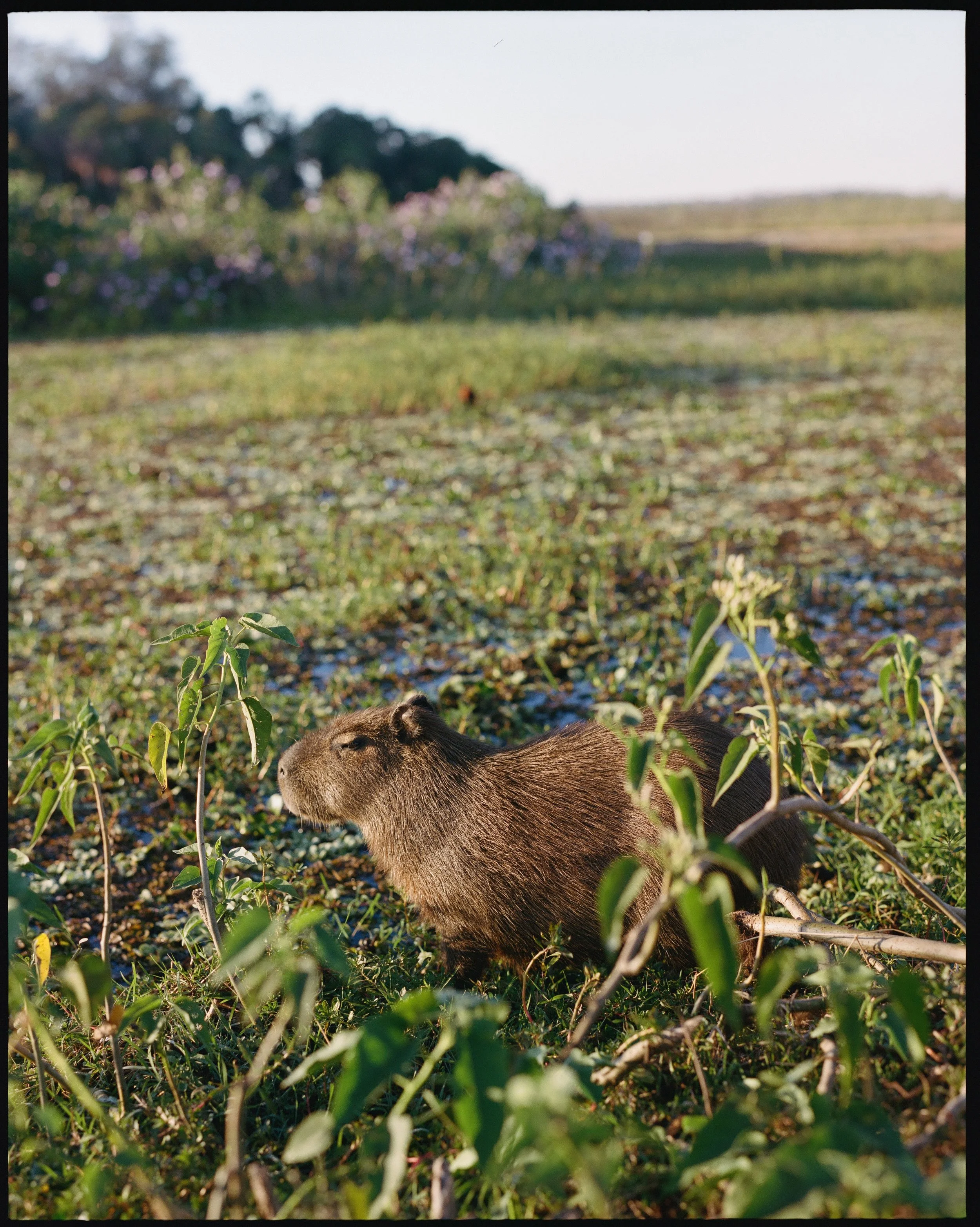
The lodge has 18 suites, with cowskin rugs on stone floors, animal-patterned cushions and hammocks strung around a central courtyard. Out front, a group of capybaras, the world’s biggest rodents, lounge by a lake: so improbable in scale that I feel as if I’ve slipped into Alice in Wonderland.
To reach Caiman, we fly from Rio de Janeiro, the former capital, to Campo Grande via São Paulo (travel can be gruelling here) before driving another four hours. Brazil is a land of abundance and diversity. Despite this, it’s also a country where many lack the basics, and it struggles to balance development with conservation.
Since the Portuguese arrived in the 16th century, people have poured in: mining minerals, felling timber and razing forests for soya farms that stretch as far as the eye can see, most exported for pig feed. Outside the Pantanal, cattle farming is intensive, dominated by big corporations, with mile upon mile of land cleared for herds - a stark contrast to the sustainable methods long practised here.
Roberto Klabin, Caiman’s founder, is slowly showing neighbouring farmers that tourism can bring prosperity, and jaguars, though occasionally a risk to cattle, are worth more alive than dead. Caiman hosts the NGO Onçafari, which protects Brazil’s jaguars by habituating them to vehicles, allowing research and responsible tourism to support their long-term survival. Early one morning, Bruno Sartori, an Onçafari guide, with a Lord of the Rings map tattooed on his arm, collects us.
‘This is my backyard,’ he says proudly, raising a VHF antenna to catch the signal of one of the collared cats. ‘When we began our work in 2012, we saw just 35 jaguars a year; now we see a thousand,’ he explains. ‘We’re proving to farmers, through autopsies, that many cattle deaths aren’t caused by jaguars, but by snakebite, lightning or poisonous plants.’ Scattered wildlife refuges are no good - the land needs to be reconnected to build resilience, something Caiman is doing as more neighbours join to form a huge ecological corridor.
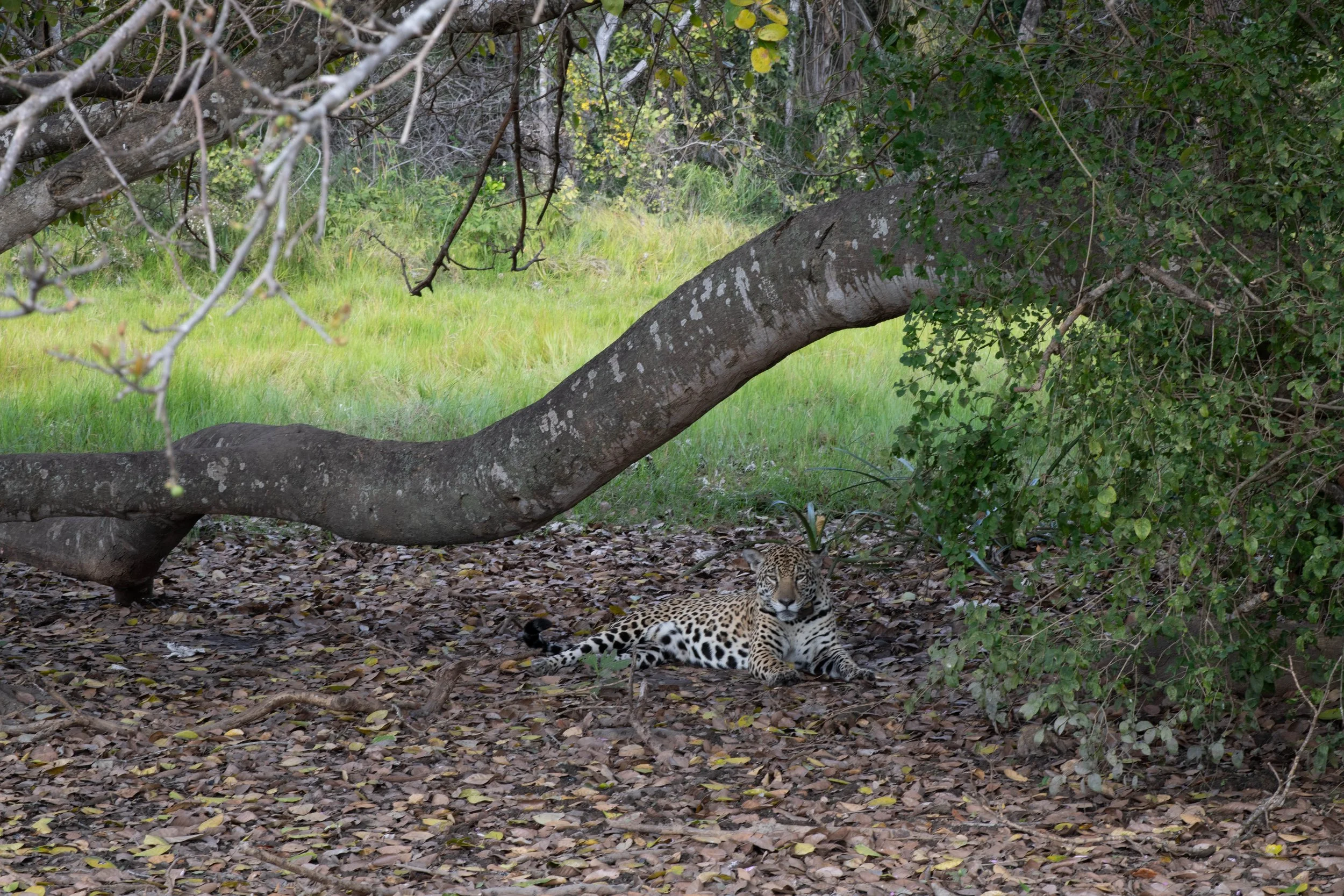
Then, whilst he is talking, we suddenly spot her - a mother with her cub resting beneath a tree. We admirethem for a while; her coat is patterned with deep black rosettes, her physique powerful. We’re the only ones there. Further north, around Porto Jofre, crowds of boats surround any jaguar, but in the southern Pantanal, encounters like this still feel private.
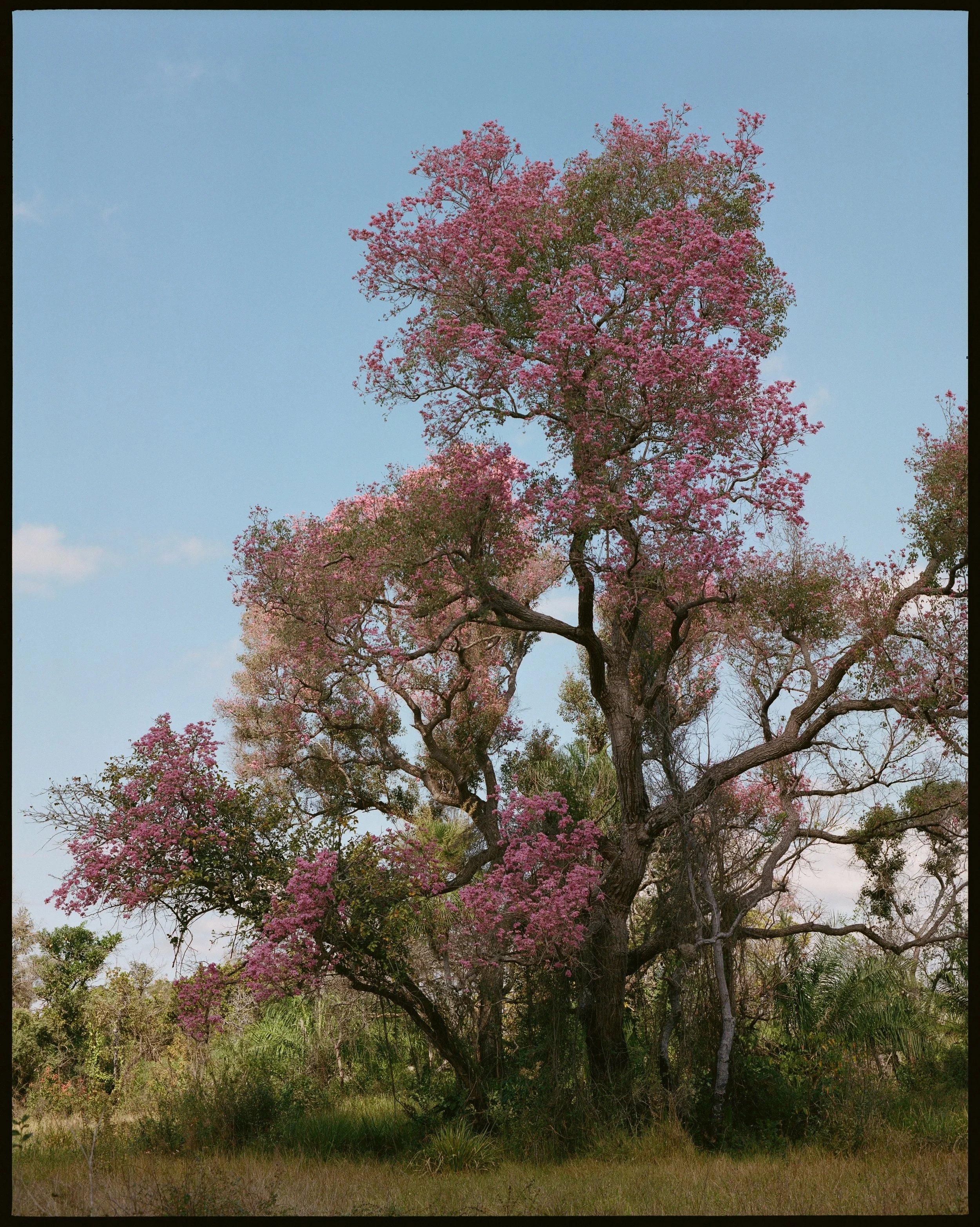
Other days follow a rhythm: out early for a game drive with one of the lodge guides, Mauricio Abib, a trained biologist, among armies of Barbie-pink trumpet trees; then relaxing at the lodge during the afternoon heat before an evening safari. We see the red-collared jabiru, America’s largest flying bird – one sits in her vast cartoonish nest, almost too grand for the tree. There are Chaco chachalacas, dainty ‘jesus birds’ appearing to walk on water, and guira cuckoos, the punks of the Pantanal with their bad boy hairstyle.
Another extraordinary species is the Rufous Hornero, whose nests resemble miniature mud houses moulded onto branches. After dark, we watch ocelots, crab-eating foxes, and to the delight of our sons, tarantulas among tree roots when Mauricio shines his torch on them. Then come the eyes of hundreds of caimans, glinting back at us like a distant city lit up at night.
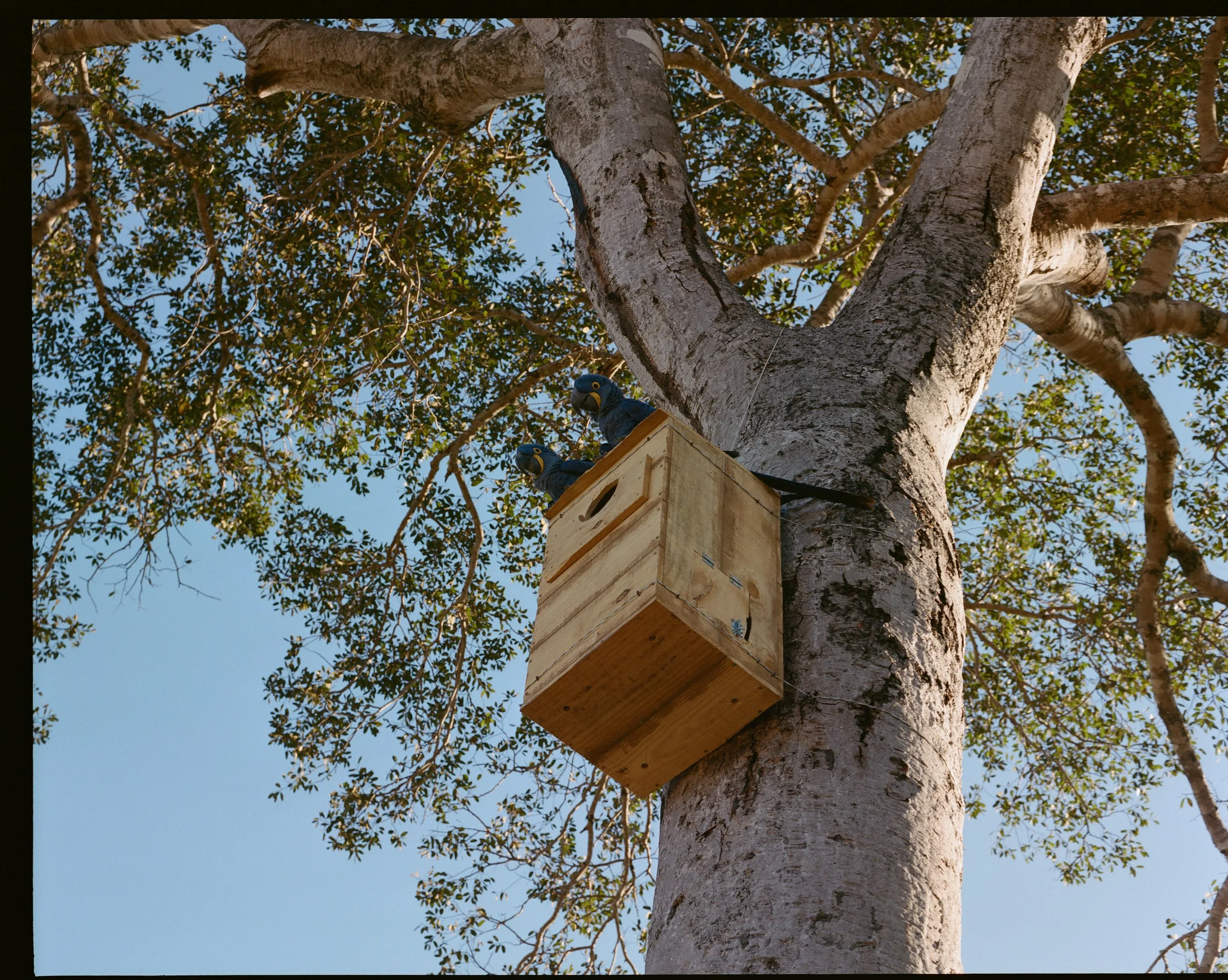
Caiman is also the base for a research project on the endangered hyacinth macaw, the world’s biggest flying parrot. They reproduce only in the manduvi tree and feed almost exclusively on the nuts of two palms, the acuri and the bocaiuva, so one task is to install artificial nest boxes around the reserve. We see plenty: pairs flying in unison like bright blue crosses, their long wings and tails flaring out, or gathering in trees to shriek and chatter – they never stop - like old women gossiping. That night, I fall asleep with vivid colours still streaming through my mind.
Our next destination is Cristalino Lodge, in an 11,000-hectare private reserve of primary forest in the southern Amazon – almost the size of Paris – owned by Vitória da Riva Carvalho. Her father, of Italian descent, first came to this frontier in 1976 to harvest cocoa, Brazil nuts and guarana. ‘In the ‘90s when I flew over the Amazon, I began to see less green, which is why I decided to buy this virgin forest, to protect it,’ she explains. ‘The idea was always conservation; tourism followed as a way of financing it.’
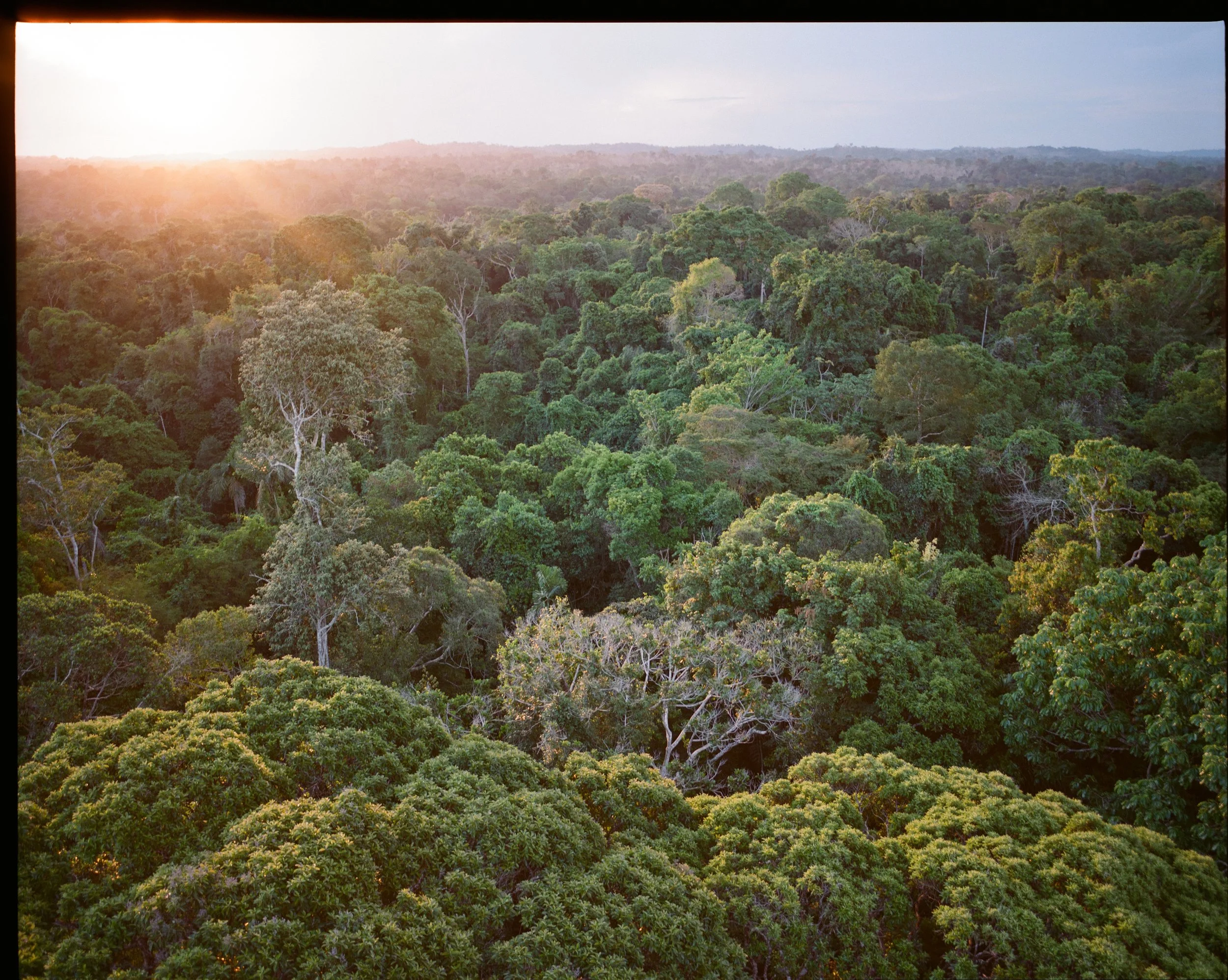
Today, the low-impact lodge invites guests to immerse themselves in the forest while contributing to the Cristalino Foundation, which brings scientists from around the world and continues to discover new species. ‘We’re at 17% deforestation now,’ Vitória says, a note of despair in her voice. ‘If we reach 20%, we’ll see savannah. There will be less rainfall. This is a problem for all the world.’ The Amazon produces ‘flying rivers’: vast currents of vapour, transpiration from the trees, that carry more fresh water each day than the river itself, swept west to the Andes and released as rain across the continent.
We fly to Florista airport, then drive for an hour – past soya farms and deforestation – before a final 30-minute boat ride up the Cristalino River, a tributary of the Amazon. Cristalino’s reserve is now bordered by a state park, created after conservationists highlighted the importance of the surrounding forest; without Vitoria’s foresight, this whole wilderness would be farmland. As we approach the simply decorated lodge, I ask about our chances of encountering tapirs, Brazil’s largest land animal. Moments later, we find one eating close by: its hooked nose distinctive, and mane so neat it looks as though it's just returned from the hairdresser.
Days are spent out on the river in a boat. We encounter green ibis, an explosion of emerald sparks on their neck, and sunbitterns, their wings opening like a splendid cape. We come across neotropical otters – a mother with two babies, and later a male devouring a fish, with no table manners. Golden beaches line the river. ‘The Amazonian Copacabana,’ Rafael Ferraz, our guide says, as we stop at one for a swim in the crystal-clear shallows.
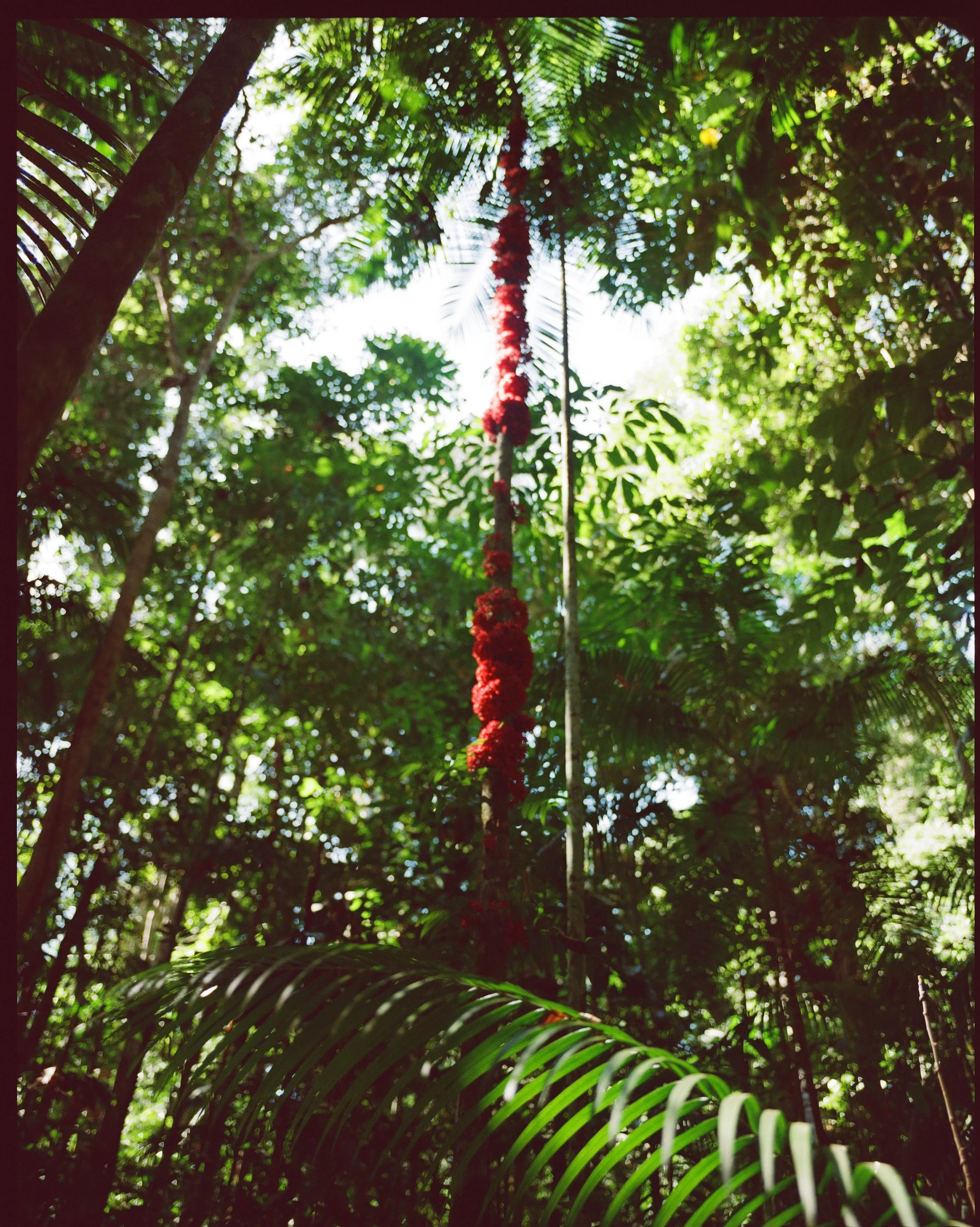
Other days we peacefully kayak downstream or go on guided walks in the forest. We spy metallic blue morpho butterflies the width of plates and solitary, white ghost bats, hanging beneath palm leaves. Cicadas sing loudly, On the trunk of a dragon’s blood tree, its sap rich-red, termites build a covered runway, ‘to avoid the light,’ Rafael explains. Wild cacao blooms loop up trees, brilliant red streamers unfurling through the canopy, and endemic spider monkeys pause overhead, their gleaming white faces resembling masks. ‘They’re endangered which shows how successful these conservation areas are,’ he says.
One morning we come to a tall Brazil nut tree, protected by Brazilian law. Often, they stand solitary in stretches of farmland. ‘They’re symbolic of the futility of conserving only fragments of forest,’ Rafael says. ‘They need the rest of the forest biota. Only the agouti, for instance, can crack open a Brazil nut.’
Deep in the forest the lodge has built a 50-metre tower. Early evening we climb it to look out over the Amazon, the sky ablaze with flying rainbows: toucans, tanagers and parrots. ‘Most of the colourful birds live in the canopy,’ Rafael explains. ‘Everything can see you, so you may as well show off.’
Our final stop lies far from any town, reached by a long, red-earth track into the Cerrado - one of the Earth’s most biodiverse savannahs, a global hotspot, yet also its most imperilled. We settle into Pousada Trijunção, an intimate eco-lodge within Trijunção Private Reserve, conserved land owned by media mogul José Roberto Marinho. Once an old farmhouse, it now has sculptures, big terracotta urns and reflective pools scattered throughout the grounds. In the garden, red-legged seriema birds wander and black-tufted marmosets, among the world’s smallest monkeys, jump through trees.
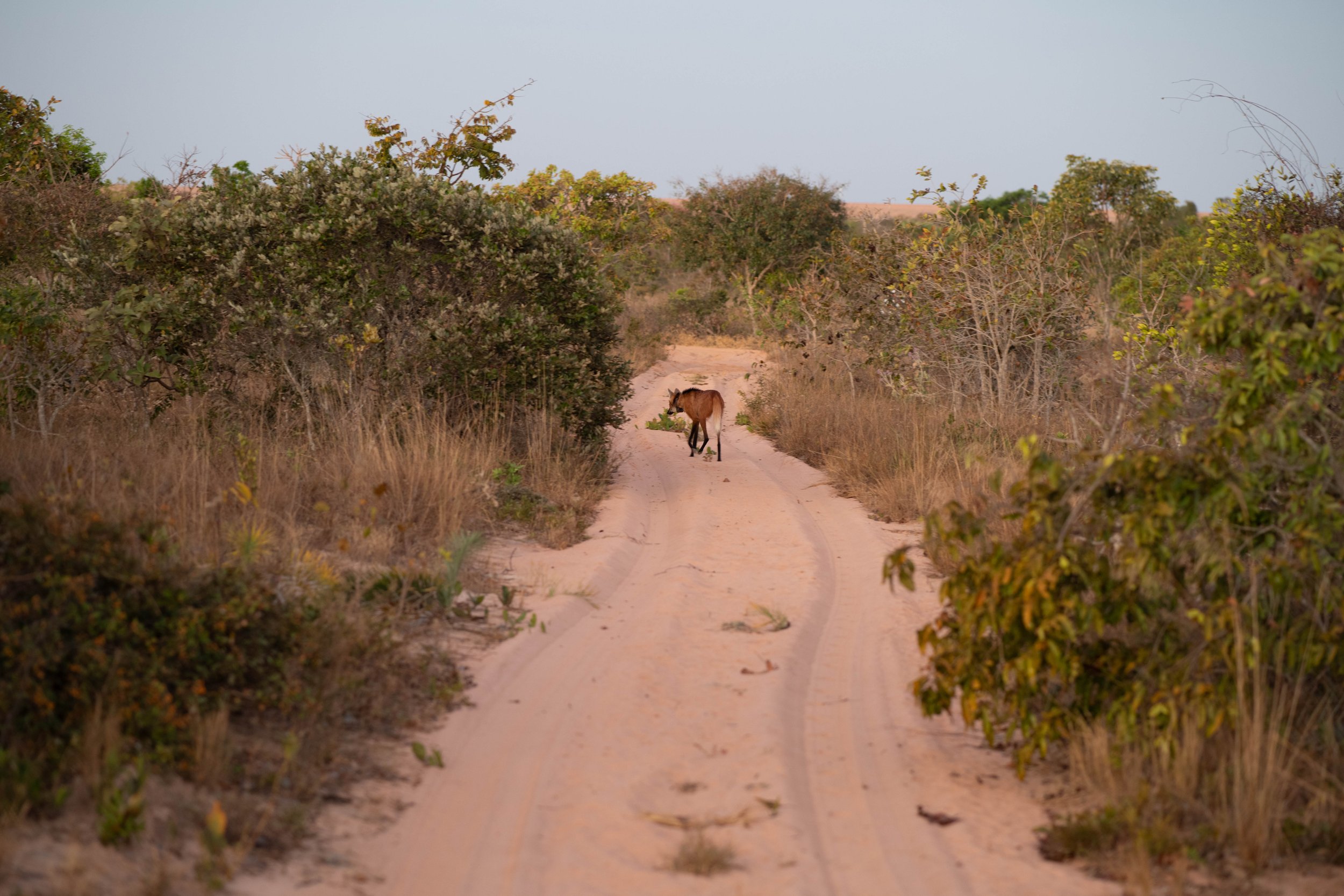
The reserve is also home to Onçafari, though here the focus is on maned wolves – the supermodels of the savannah, with their pencil-thin legs, longer than any other canids on the planet, and found only in South America. We head out late afternoon and quickly track one: she crosses ahead of us, as graceful as a ballerina stepping onto a stage. ‘They’re vital to this landscape,’ Maria Sternberg, our guide says. ‘By eating fruits and dispersing the seeds they maintain the biodiversity. They’re the gardeners of the Cerrado.’
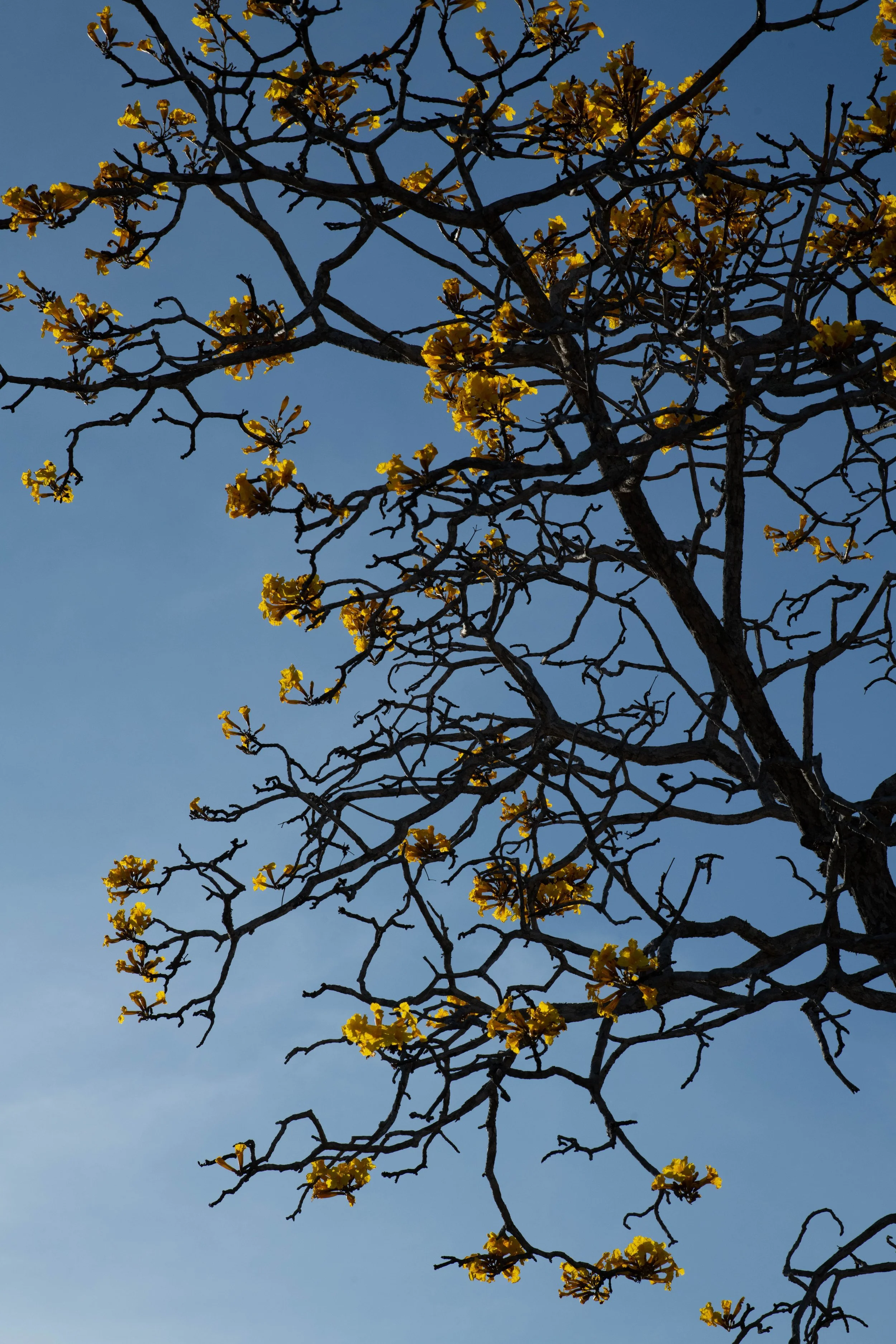
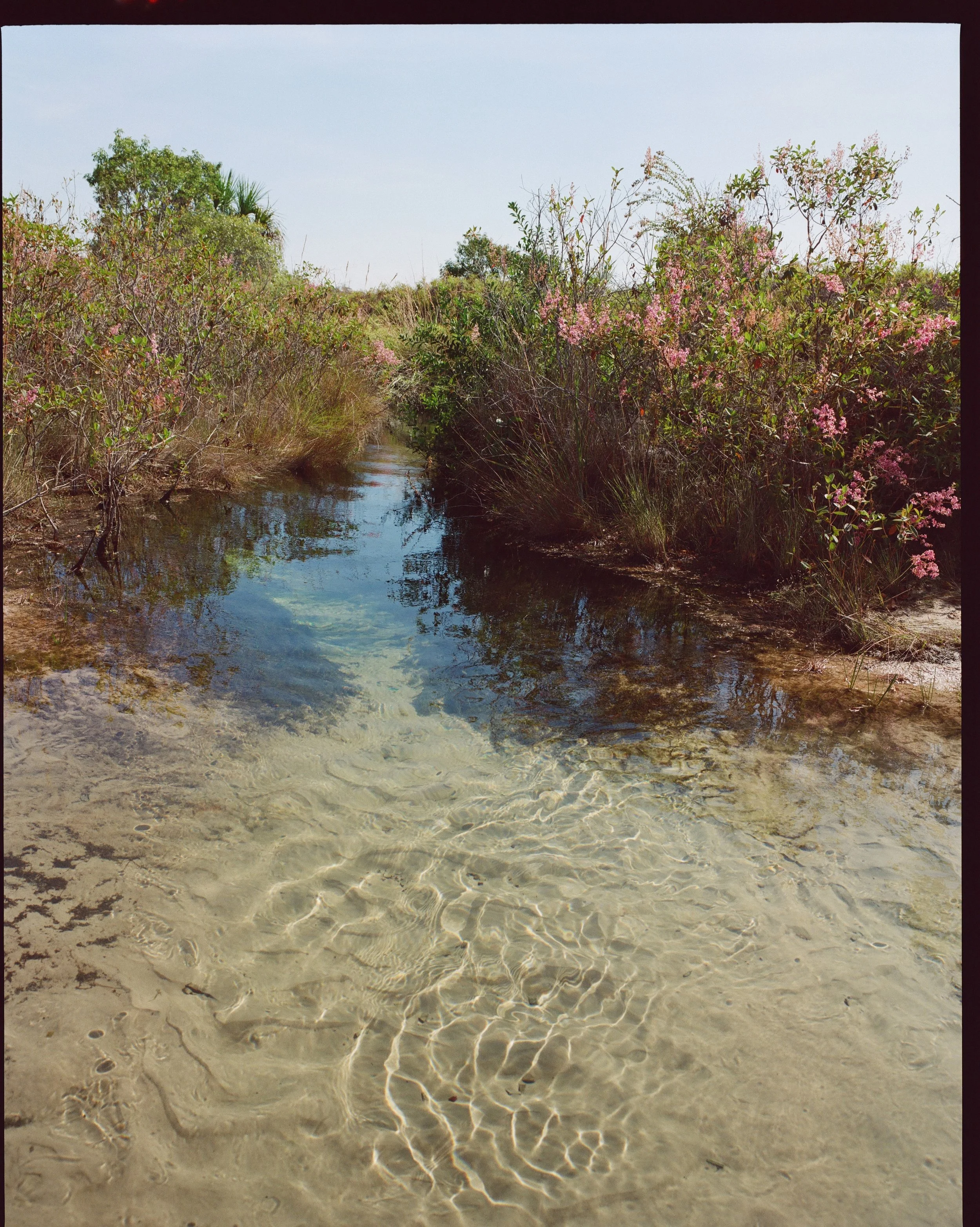
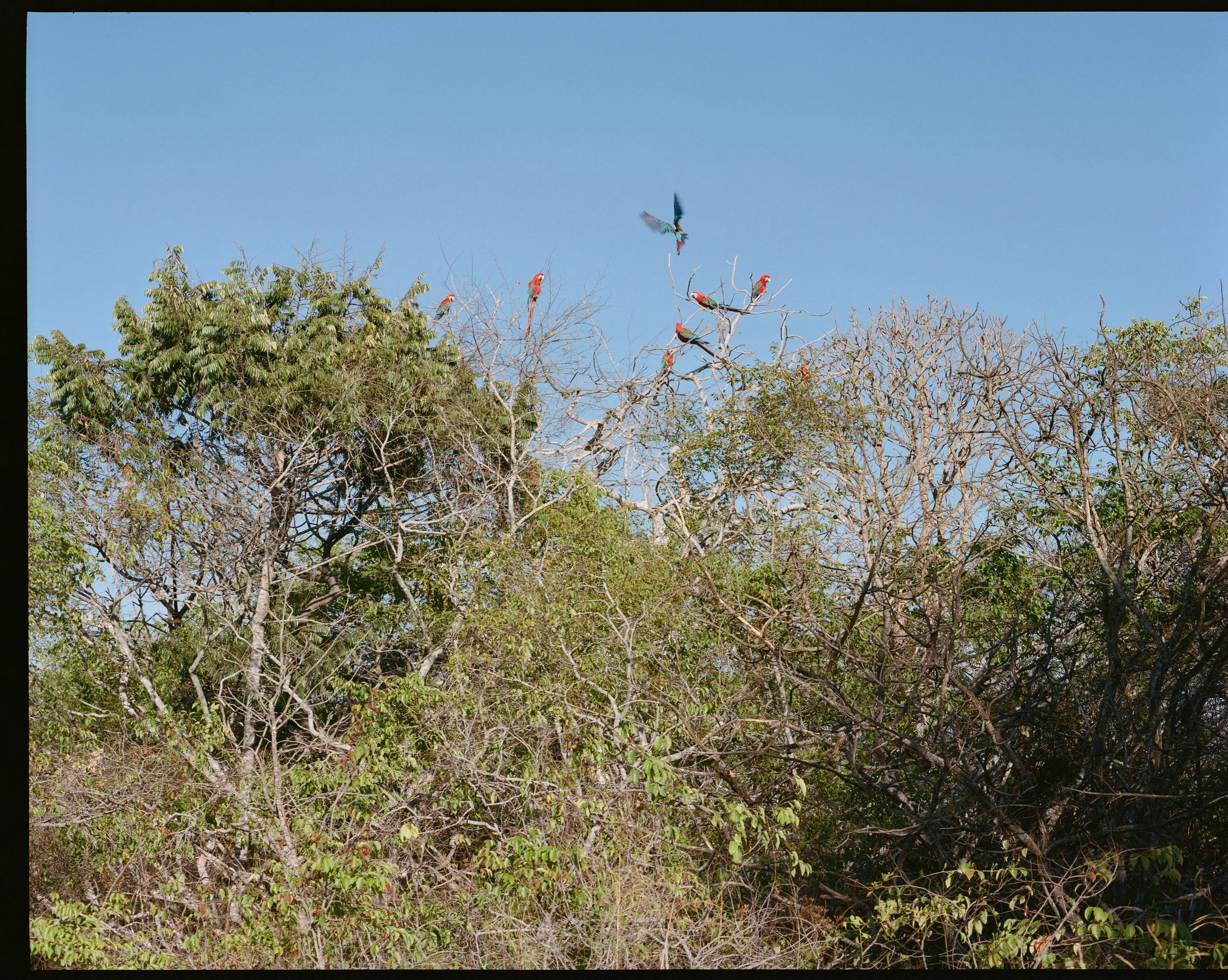
Days unwind swimming in turquoise springs framed by Ipe trees, their flowers the colour of sun-ripened lemons; other times we watch red-and-green macaws sit like vivid fires in trees, and glittering-bellied emerald hummingbirds flicker past.
Late one morning, Vinny Vianna, our lodge guide hears on the radio that a maned wolf has been captured for collaring. We race over – it’s a rare privilege to watch. The fox’s tongue moves as she wakes from sedation, her long legs like delicate, black flower stems. As she rises unsteadily, I wonder, too, when we’ll wake to the reality of what happens if we fail to preserve places such as these. The forest fires are warnings enough; none of this is imagined.
A Note on the Author:
Kate Eshelby is an award-winning travel journalist and photographer. She writes for Travel + Leisure, BBC Travel, Condé Nast Traveller, Country Life, Financial Times, The Times and The Guardian. Drawn to the world’s wilder edges, she reports on Indigenous cultures, nomadic lives and the shifting ethics of travel in a crowded age. Her work often leads her into adventure — from packrafting the River Tay and bikepacking New Mexico’s Great Divide to living deep in the Congo rainforest with the Ba’aka and crossing the Sahara with a camel caravan. She studied English Literature at the University of Edinburgh and began her career at Pan Macmillan before moving into freelance journalism two decades ago. She now lives in the middle of an ancient forest in the UK.